English
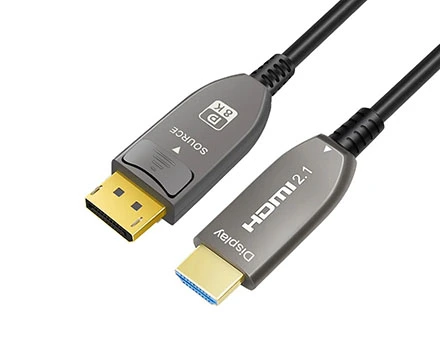
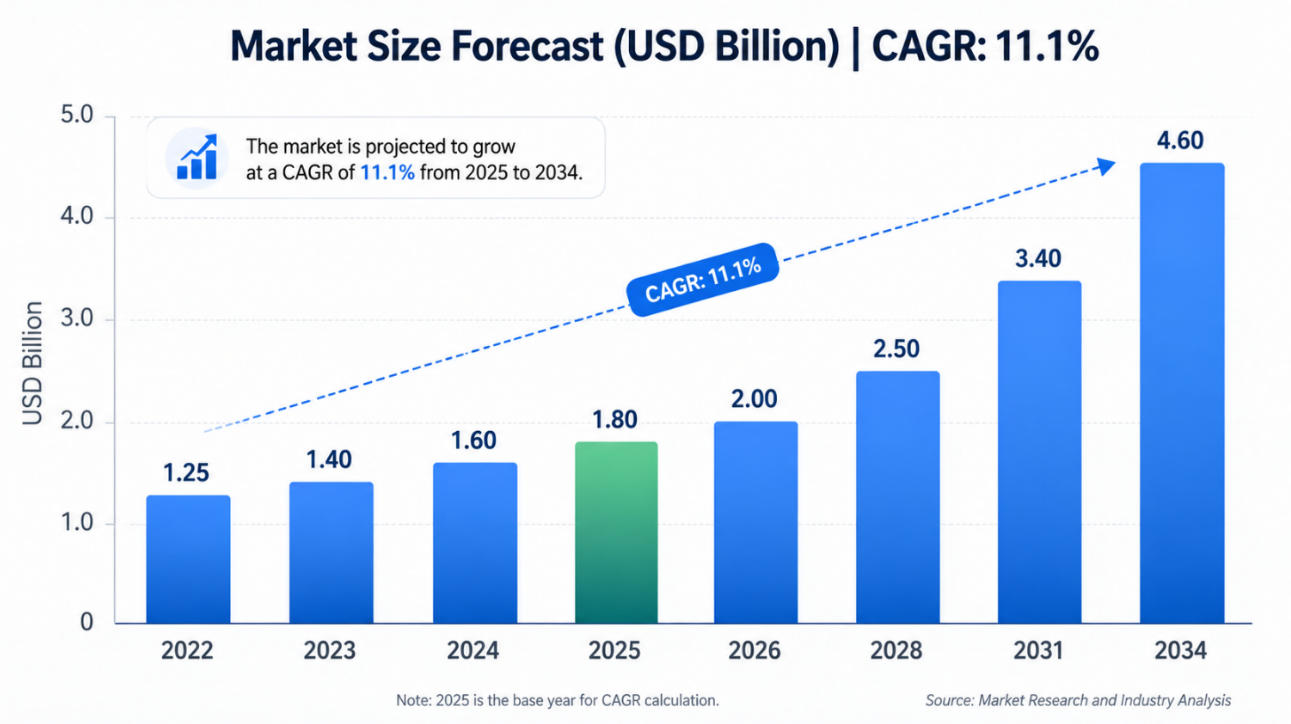
The global HDMI fiber optic cable market was valued at $1.82 billion in 2025 and is projected to reach $4.67 billion by 2034. HDMI fiber optic cables, also known as active optical cables (AOC) or hybrid fiber optic HDMI cables, utilize fiber optic technology to transmit high-definition audio and video signals over long distances, avoiding the signal attenuation, electromagnetic interference, and bandwidth bottlenecks common in traditional copper HDMI cables. As display technology continues to advance towards 4K, 8K, and higher resolutions, and as professional audiovisual equipment demands increasingly longer cable lengths, the application of HDMI fiber optic solutions in residential, commercial, and industrial sectors worldwide is accelerating.
The maturity of the Ultra High Definition (UHD) ecosystem is the core engine driving the explosive growth of the fiber optic HDMI market. Annual sales of 8K TVs are projected to exceed 18 million units by 2027. Since traditional copper cables struggle to stably transmit 4K@60Hz or 8K@30Hz signals over distances of 5-7 meters or more, fiber optic cables supporting HDMI 2.1 (HDMI 2.1 fiber optic cable) and 2.2 specifications and achieving lossless transmission over 10-100 meters are rapidly becoming a market necessity.
Enhanced Product Design and Innovation:
Artificial intelligence algorithms are revolutionizing the design process for HDMI cables, enabling rapid prototyping and optimization of material and structural configurations. This technology allows manufacturers to simulate cable performance under various conditions, resulting in cables with superior flexibility, durability, and electromagnetic shielding. For example, AI-driven simulations can predict the performance of new composite materials, shortening development cycles. This creates a more competitive market environment, shortens innovation cycles, and allows for more refined product differentiation.
Personalized Customer Experiences and Market Segmentation:
Generative AI, based on consumer behavior analysis, helps create personalized marketing content and customized product recommendations. Using HDMI cables as an example, this means brands can target different customer groups with feature-focused marketing campaigns, such as ultra-high-speed data transmission, environmentally friendly materials, or long-distance pure fiber optic transmission. This refined customer segmentation can improve customer engagement, increase conversion rates, and enhance brand loyalty. Furthermore, AI-driven insights can help identify underserved markets or niche application areas, guiding companies to shift strategic investments towards high-growth micro-segments such as industrial automation or VR/AR applications.
Evolution of the Ultra-High-Definition Ecosystem and the Trend Towards Larger Screens
The maturity of 8K/10K display technology forms the core foundation of the HDMI AOC market. With 75-98 inch large-size panels becoming mainstream, the physical distance between the signal source and the display terminal has been significantly increased. Traditional copper cables cannot carry 4K@120Hz or 8K@60Hz signals over long distances, while AOC, with its long-distance lossless transmission capabilities, has become the standard engineering solution for fully unleashing the bandwidth potential of HDMI 2.1.
Explosive Growth in Commercial AV and Digital Signage Infrastructure
The commercial audio-visual sector is experiencing a surge in demand for 20 to 100-meter long-distance cabling. The global digital signage market is projected to exceed $37 billion by 2027. Whether in retail video walls, airport information screens, or the upgrade of large conference rooms and video conferencing systems in enterprise hybrid office models, HDMI AOC, due to its electromagnetic interference (EMI) resistance and extremely high signal integrity, is becoming an indispensable underlying connectivity infrastructure for high-end commercial visualization projects (including AR and immersive displays).
Esports Industry Upgrades Drive Underlying Hardware Iteration
The global gaming industry, exceeding $220 billion, has placed extreme demands on low latency and high frame rates. Next-generation consoles and high-end PCs have driven the widespread adoption of HDMI 2.1. Esports venues, internet cafes, and professional live streaming studios (such as Twitch and YouTube studios) involve extremely complex multi-screen, long-distance cabling. To perfectly support demanding gaming characteristics such as 4K@120Hz, VRR (Variable Refresh Rate), and ALLM (Auto Low Latency), system integrators are massively abandoning copper cables and turning to professional-grade HDMI cables.
With the development of AI, the commercial audio-visual integration market will see significant growth, driven by continued investment in smart buildings, EdTech, medical audio-visual systems, and hotel modernization. HDMI fiber optic cables are a fundamental component of in-room entertainment and conferencing systems. The industrial and broadcast sectors hold immense opportunities, with increasing demand for 4K and HDR production workflows in broadcast studios, esports arenas, and live event production environments.
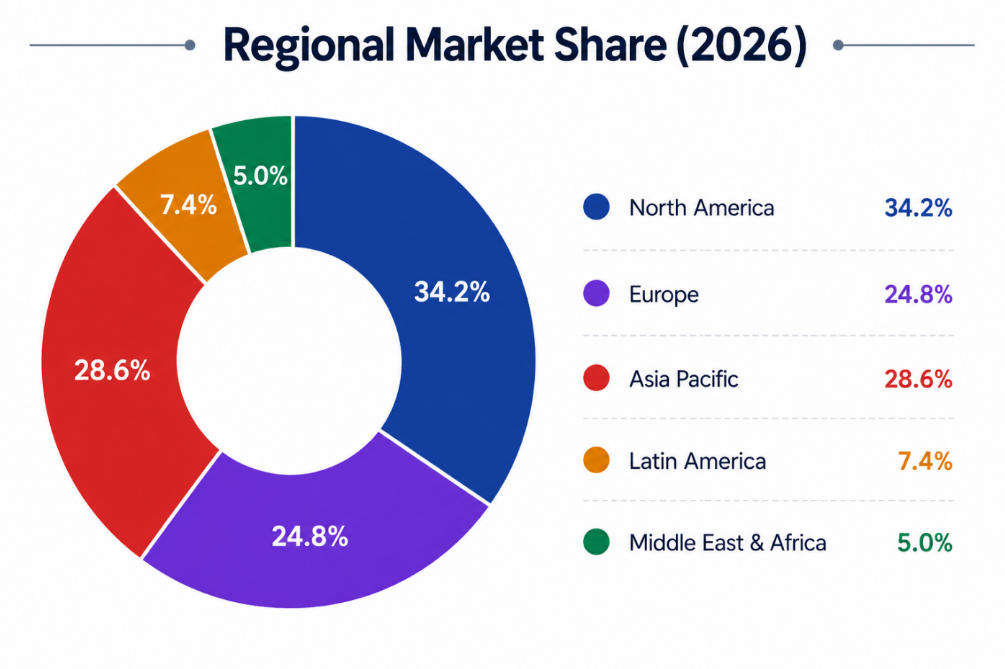
From a regional perspective, the global HDMI AOC market exhibits a highly characteristic regional distribution structure:
North America, as the largest base, maintains steady growth primarily through highly developed smart home and commercial AV integration networks;
the Asia-Pacific region offers the broadest growth opportunities, benefiting not only from the early adoption of 8K technology in Japan and South Korea but also from China's absolute dominance in the global vertical supply chain; demand growth in Europe is driven by the high penetration rate of consumer electronics, stringent installation standards for commercial AV projects, and strong interest in professional AV integration from hotels, businesses, and government departments. Germany and the UK, with their active broadcasting and media production industries, continue to see robust demand for high-performance HDMI fiber optic cables.
With the widespread adoption of 8K and the surge in demand for long-distance cabling, choosing a stable and cost-effective supply chain has become crucial for many brands and distributors. 8KHDMIAOC, as the original manufacturer, might be a better choice for you.
We're not just manufacturing cables; we're providing a solid technological foundation and a strong business moat for wholesalers, distributors, and brand owners worldwide.
For Wholesalers, Distributors and Brand Owners: Securing Your Margins:
As the original manufacturer of HDMI AOCs, we not only offer highly competitive factory prices, but also have stable delivery time guarantees.
Reliable Quality Assurance: Every product undergoes strict quality inspection before shipment to ensure stable and reliable operation.
Broad Device Compatibility Testing: Each cable is tested with various display devices and application environments
Flexible Sample Customization: Support signal cable customize. From the cable itself to the casing and customized retail packaging, we offer a comprehensive, in-depth customization service.
Stable Production & Delivery Management: With a well-organized production and scheduling system, we are able to maintain consistent lead times for both small trial orders and large-volume projects.
TESTING EQUIPMENT HIGHLIGHT
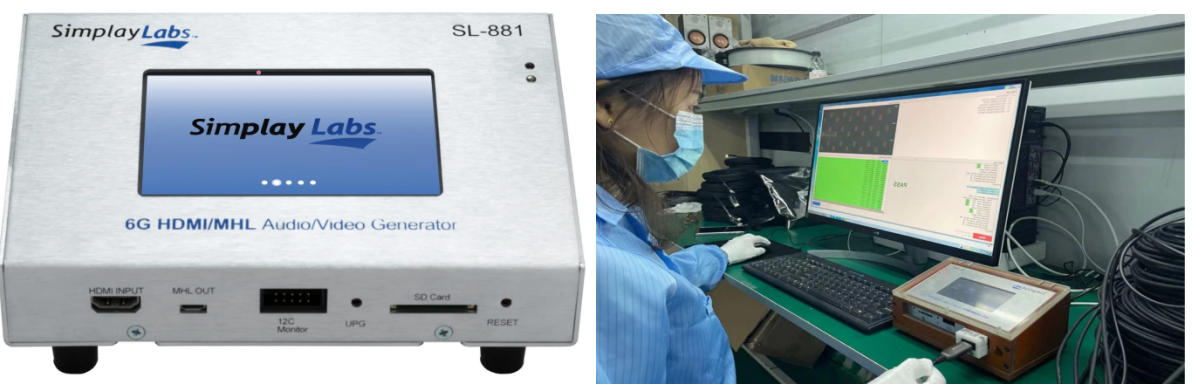
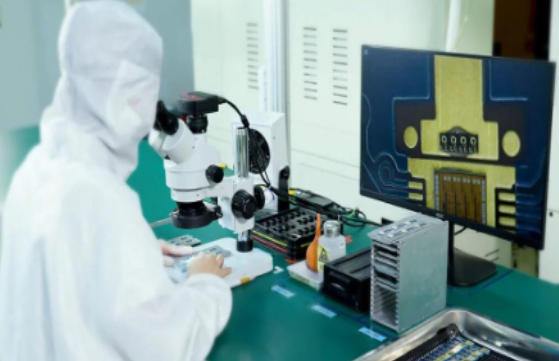
4K/8K Fiber Optic HDMI Cable-Quality Test-SL-881
Our production site is fully compliant with ISO9001/14001 and TL9000 to ensure that our products maintain consistent quality and industrial-grade standards.
Integrating R&D and production | 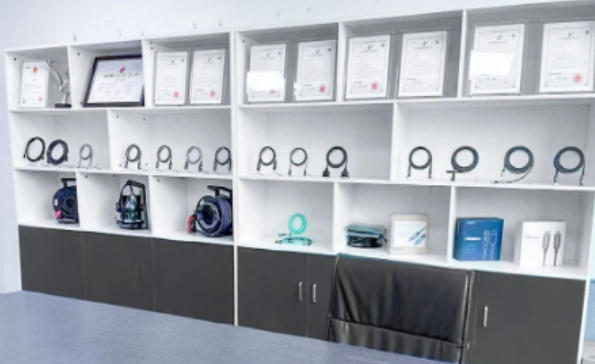 High-quality industrial-grade standards |
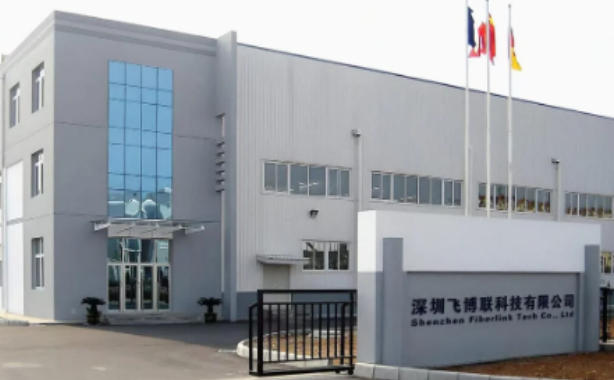
High-efficiency and high-yield production capacity
With a team of highly skilled professionals, we are at the forefront of next-generation fiber optic connectivity technology. We pride ourselves on "being the 1st Choice" for unbeatable value—delivering superior quality, flexibility, and efficiency. Whether for custom projects or high-volume orders, our commitment to innovation and service excellence sets us apart as a trusted leader in the industry.
Ultimately, premium AV equipment is only as good as the cable connecting it. If you are looking to streamline your supply chain with a manufacturing partner who truly understands the technology, let's talk. We are here to help you build a more profitable and reliable product lineup.
1. What is the difference between HDMI AOC and regular HDMI cable?
The main difference of HDMI AOC vs HDMI is the transmission method. A standard HDMI cable uses copper conductors, which can suffer from signal degradation over long distances. HDMI AOC cables use fiber optic cores to transmit data, allowing much longer lengths (up to 100m or more) while maintaining full bandwidth. AOC cables are also thinner, lighter, and more resistant to electromagnetic interference compared to traditional HDMI cables.
2. Is HDMI AOC better than HDMI copper cable for 4K or 8K?
Yes, HDMI AOC is generally better for 4K and 8K signals over medium to long distances. Copper HDMI cables are reliable only for short runs (typically under 3–5 meters at high bandwidth). For longer installations requiring 4K 120Hz or 8K 60Hz, HDMI AOC provides more stable bandwidth performance and reduces signal dropouts, making it a preferred choice for home theaters, conference rooms, and digital signage.
3. What length HDMI AOC cable do I need for home theater or installation?
The required length depends on the distance between your source device and display. HDMI AOC cables are available from 10m to over 100m. For home theaters, 10–30m is common, while commercial installations may require 50m or more. It is important to measure accurately and avoid excessive slack, as fiber-based cables are directional and should be installed carefully to avoid damage.
4. Do HDMI AOC cables require external power?
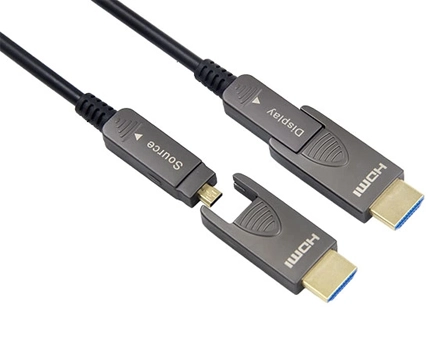
Most HDMI AOC cables do not require external power because they are powered directly through the HDMI interface. The active chipset inside the connectors converts electrical signals into optical signals automatically. However, both ends must be connected correctly (source and display side are usually marked), otherwise the cable will not function properly.
Copyright © Shenzhen Fiberlink Tech Co., Ltd. All Rights Reserved. Trusted Partners:https://www.aocfiberlink.com/