English
HDR: Vivid Video and Smarter Surveillance
High Dynamic Range (HDR) is transforming image quality with richer colors, deeper blacks, and brighter highlights. Whether you're upgrading a home theater, enhancing a conference room, or installing security cameras, HDR delivers a clearer, more vibrant visual experience.
HDR (High Dynamic Range) enhances visuals by expanding contrast, color depth, and brightness. Unlike SDR (Standard Dynamic Range), which limits the range of colors and light, HDR preserves detail in both bright and dark areas, delivering a more lifelike and immersive image.
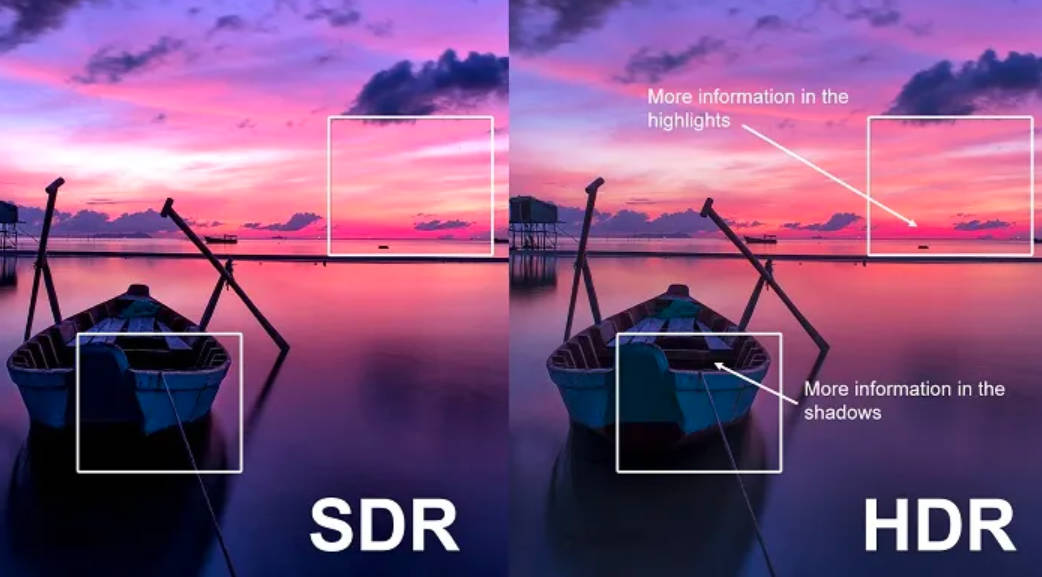
Imagine watching a sunset: SDR might show a flat, uniform orange sky, while HDR reveals the glowing sun and the cloud details hidden in the shadows. In entertainment systems, HDR creates a deeply immersive cinematic experience. In surveillance, it captures clear details in high-contrast scenes—such as a store entrance at night.
HDR relies on three key elements:
Color Gamut: A wider range of colors, delivering richer and more vibrant tones (like deeper reds).
Contrast: Deeper blacks and brighter whites for sharper, more defined images.
Brightness: Higher peak brightness (measured in nits) for realistic highlights and enhanced clarity.
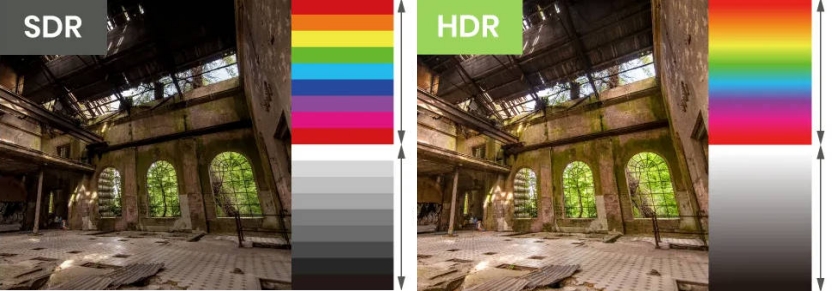
HDR offers significant advantages across different applications:
Home Theater: Movies and games gain lifelike color and contrast, making scenes like explosions or starry skies far more dramatic.
Surveillance: HDR cameras capture critical details in challenging lighting conditions, such as dim alleyways or sunlit parking lots.
Commercial AV: Digital signage and conference displays become more eye-catching with vivid, high-impact visuals.
In AV systems, however, HDR requires full end-to-end compatibility—your display, cables, and source devices must all support the same HDR standards, which often leads to setup challenges.
In contrast, HDR in surveillance is simpler: the feature is enabled directly on the camera. Once activated, the camera outputs processed HDR video without needing additional configuration or support from backend equipment.
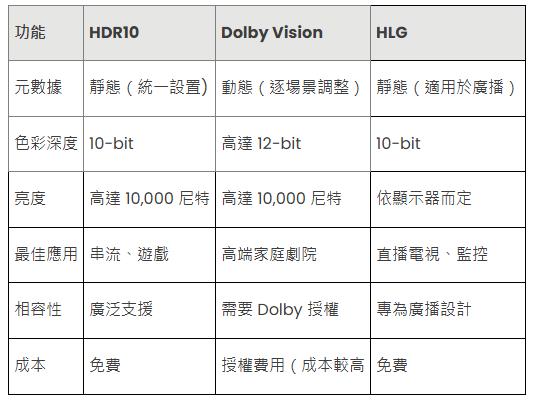
Dolby Vision and HLG are two important HDR (High Dynamic Range) formats, widely used in audio-visual and surveillance fields along with HDR10.
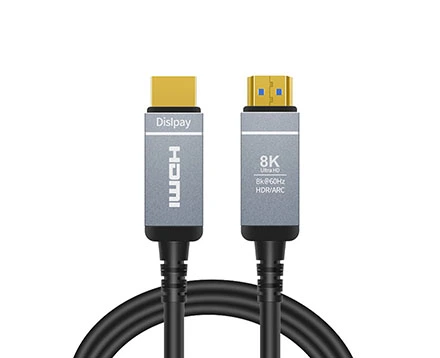
With AOCFIBERLINK's HDMI fiber-optic cable, the process becomes effortless. Designed to support Dolby Vision, HDR10+, and other advanced HDR formats, it delivers up to 150 meters of zero-loss transmission. Whether you're enjoying high-resolution movies, gaming, or streaming, this cable ensures pristine, uninterrupted HDR quality—bringing a true cinema-grade experience right into your living room
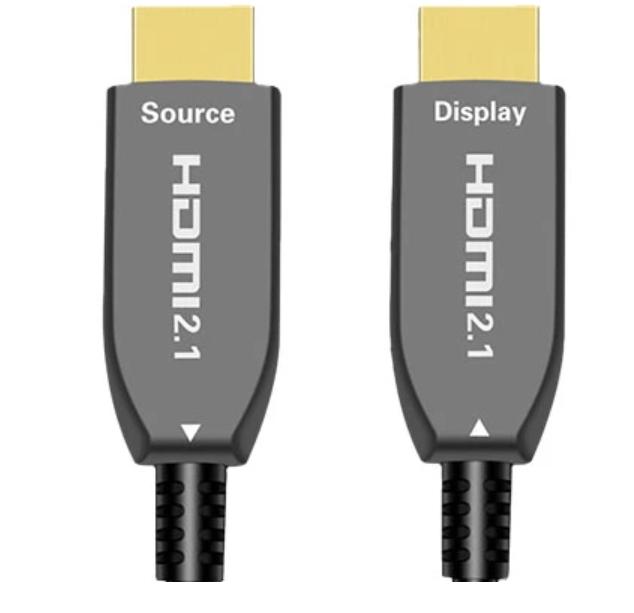
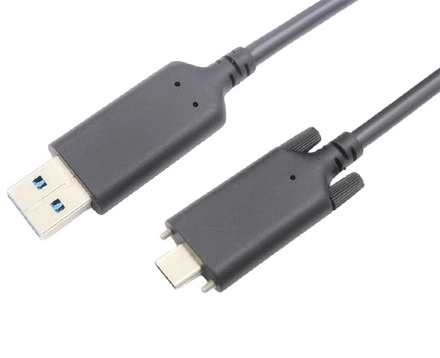
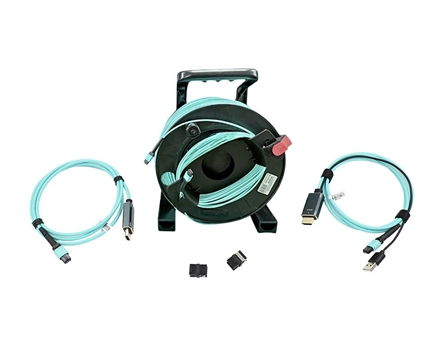
At AOCFiberlink, we specialize in manufacturing high-quality fiber optical USB cables & fiber optical HDMI cables that cater to the demands of modern audiovisual systems. Our fiber optical USB & HDMI cables are designed to deliver uncompromising performance, ensuring that you enjoy the true potential of your high-definition devices.
Besides the standard fiber optic HDMI Cables & fiber optical USB Cables, we also provide tailor-made solutions for customer specific needs.
Please don't hesitate to contact us.
Copyright © Shenzhen Fiberlink Tech Co., Ltd. All Rights Reserved. Trusted Partners:https://www.aocfiberlink.com/