English
Is ARC and eARC the Same? The answer is No. While they serve the same purpose—sending audio from a TV to an external device—they are fundamentally different in capability.
Choosing between HDMI ARC and eARC directly impacts audio performance, system compatibility, and long-term upgrade flexibility. While both technologies simplify audio connections between TVs and external sound systems, they differ significantly in bandwidth, supported formats, and overall sound quality. For professionals working with AV systems—or buyers selecting the right HDMI ARC cable for soundbar setups—understanding these differences is essential.
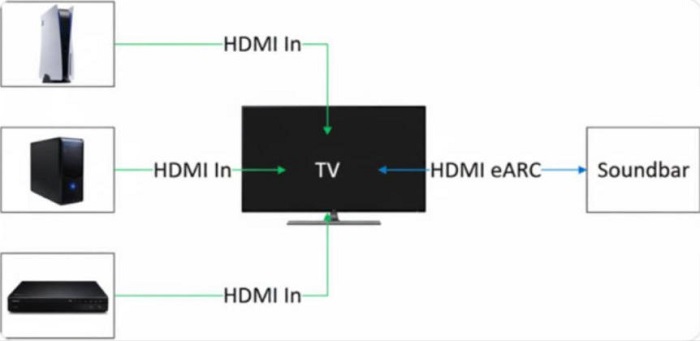
HDMI ARC (Audio Return Channel) allows a TV to send audio back to an external device—like a soundbar or AV receiver—through the same HDMI cable that transmits video to the TV.
Eliminates the need for an extra optical cable
Enables basic audio control via HDMI-CEC
Widely supported across TVs and soundbars since HDMI 1.4
However, ARC was developed at a time when high-bitrate audio formats were less common. That limitation becomes critical in modern home theater systems.
eARC (Enhanced Audio Return Channel) is the upgraded version introduced with HDMI 2.1 eARC specifications. It significantly expands audio bandwidth and improves transmission reliability.
Supports uncompressed audio formats (Dolby TrueHD, DTS-HD Master Audio)
Handles object-based audio like Dolby Atmos and DTS:X
Provides dedicated data channels for stable transmission
Improved lip-sync correction
In short, eARC is designed for high-end audio performance, aligning with today’s streaming and Blu-ray standards.
| Feature | HDMI ARC | HDMI eARC |
|---|---|---|
| HDMI Version | HDMI 1.4 | HDMI 2.1 |
| Audio Bandwidth | ~1 Mbps | Up to 37 Mbps |
| Audio Formats | Dolby Digital, DTS | Dolby TrueHD, DTS-HD, Atmos |
| Cable Requirements | Standard HDMI | High-Speed or Ultra High-Speed |
| Lip Sync | Limited | Automatic & precise |
| Data Channel | Basic | Dedicated, high-speed |
This table highlights the ARC and eARC difference clearly: ARC is sufficient for compressed audio, while eARC is built for lossless, immersive sound.
The most critical comparison—ARC vs eARC sound quality—comes down to compression.
ARC transmits compressed audio formats, which may reduce detail and dynamic range
eARC supports uncompressed audio, preserving studio-quality sound
For casual TV viewing, ARC may be adequate. But for high-performance setups—especially when using premium soundbars or AV receivers—eARC delivers a significantly richer experience.
eARC is part of the HDMI 2.1 specification, but here's a practical nuance:
Some HDMI 2.0 devices support eARC via firmware updates
However, full performance is best achieved with certified HDMI 2.1 cables
This is especially relevant when selecting an HDMI ARC cable for soundbar—not all cables guarantee eARC compatibility under high bandwidth conditions.
You use a basic soundbar or TV speakers
Your content is mostly streaming with compressed audio
Budget is a primary concern
You want Dolby Atmos or DTS:X support
You use Blu-ray or high-bitrate media
You’re building a premium home theater system
From an industry standpoint, eARC is increasingly becoming the standard for new installations.
In commercial AV integration or high-end residential projects:
Always verify HDMI port labeling (ARC vs eARC)
Use certified Ultra High-Speed HDMI cables for reliability
Ensure device compatibility across TV, receiver, and sound system
Test firmware versions—eARC functionality can depend on updates
Enhanced Audio Return Channel.
Yes, eARC supports higher bandwidth and uncompressed audio, making it superior for sound quality and advanced formats.
Check the HDMI port label on your TV or device—ports are typically marked “ARC” or “eARC.” Device specifications also confirm support.
Most certified HDMI 2.1 (Ultra High-Speed) cables support HDMI 2.1 eARC, but not all older High-Speed cables guarantee stable performance. For reliable audio return and full bandwidth transmission, it is recommended to use certified HDMI 2.1 cable eARC from brands like AOCFIBERLINK.
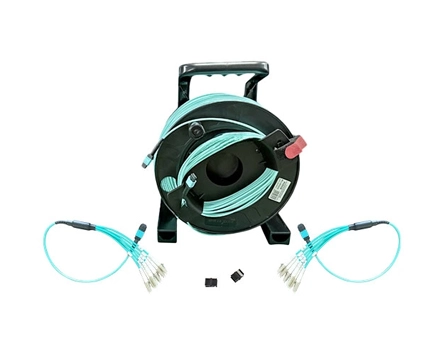
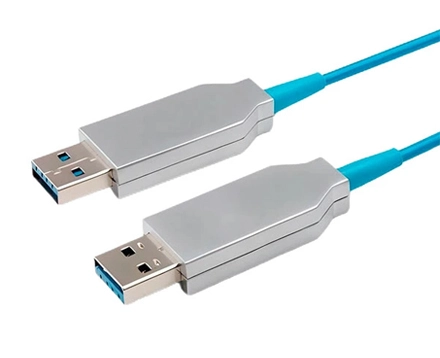
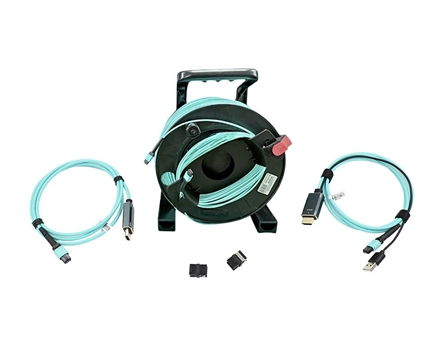
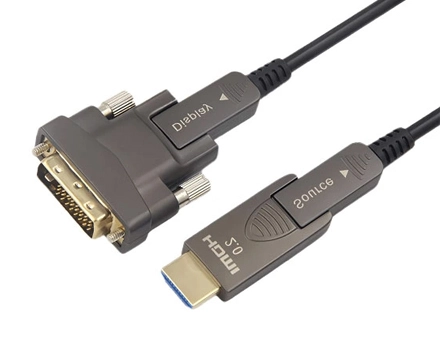
When it comes to high-performance HDMI AOC (Active Optical Cable) solutions, AOCFIBERLINK stands out as a specialized HDMI cable factory focused on engineering-grade reliability rather than generic mass-market production. Unlike standard HDMI copper cables, AOCFIBERLINK’s HDMI 2.1 AOC products are designed from the ground up for demanding AV environments where signal integrity cannot be compromised.
As a dedicated manufacturer in the HDMI cable industry, AOCFIBERLINK integrates fiber optic transmission technology, strict production control, and full-bandwidth HDMI 2.1 compliance to ensure every cable supports stable eARC audio transmission, ultra-high-resolution video, and long-distance deployment without degradation. This makes it particularly valuable for system integrators, installers, and distributors who require consistent performance across large-scale projects.
Key advantages include:
Full HDMI 2.1 bandwidth (48Gbps) with reliable eARC support
Advanced HDMI AOC fiber optic structure for zero electromagnetic interference
Stable transmission for long-distance installations (far beyond traditional copper limits)
Factory-level quality control from a professional HDMI cable factory specializing in OEM/ODM solutions
Optimized performance for 8K displays, high-end soundbars, and immersive audio systems
By combining manufacturing expertise with next-generation optical transmission technology, AOCFIBERLINK delivers HDMI solutions that are not just compliant—but engineered for real-world professional use cases where stability, sound quality, and long-distance performance matter most.
For businesses and distributors in AV connectivity—like those operating in high-performance cable manufacturing—understanding HDMI ARC vs eARC is essential not just for product positioning, but for guiding customers toward future-proof solutions. As demand for immersive audio continues to rise, eARC is no longer optional in premium segments—it’s expected.
Copyright © Shenzhen Fiberlink Tech Co., Ltd. All Rights Reserved. Trusted Partners:https://www.aocfiberlink.com/