English
HDMI is the standard for high definition video, and with HDMI 2.1, it now supports bandwidth-intensive formats like 8K and even 10K.
Traditional copper HDMI cables work well over short distances, but performance drops over longer runs due to signal loss, EMI, and bandwidth limitations.
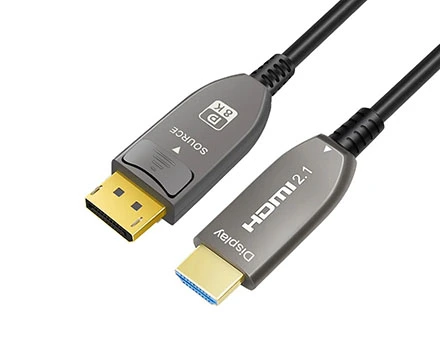
Fiber HDMI cables solve these issues by using optical transmission with built-in conversion chips, enabling stable, long distance performance—up to 300 meters.
So what really sets fiber HDMI apart from copper? Let’s take a closer look.
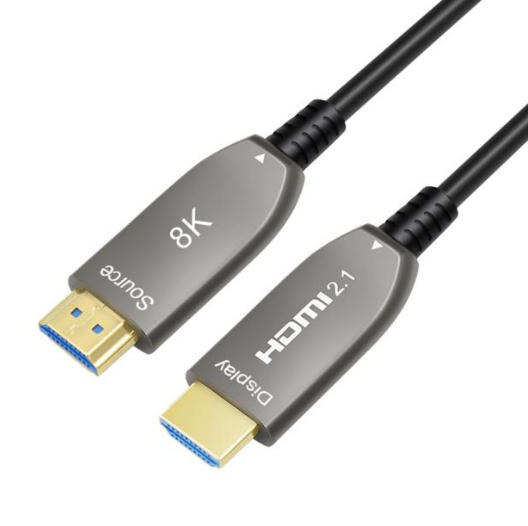
Fiber HDMI 2.1 cables use optical fibers,typically glass,which are lightweight, flexible, and capable of near-zero signal loss. Copper HDMI 2.1 cables rely on metal conductors, sometimes enhanced with materials like silver plating or OCC copper to improve performance.Because of these material differences, fiber cables are thinner, lighter, and more flexible, while copper cables are generally thicker, heavier, and less flexible.
Copper HDMI cables utilize traditional copper conductors to transmit electrical signals.
The Pros: For short distance applications (typically under 3 to 5 meters), copper provides highly reliable, "plug-and-play" performance. It allows for direct signal output with minimal attenuation, making it the most cost-effective and dependable choice for standard home or office setups.
The Physical Limit: Copper’s main drawback is its susceptibility to signal degradation over distance. As you push higher bandwidths (like HDMI 2.1 48Gbps) over longer runs, copper cables experience heavy attenuation and become vulnerable to Electromagnetic Interference (EMI), leading to signal drops or "black screens."
Hybrid Optical HDMI (Fiber + Copper):
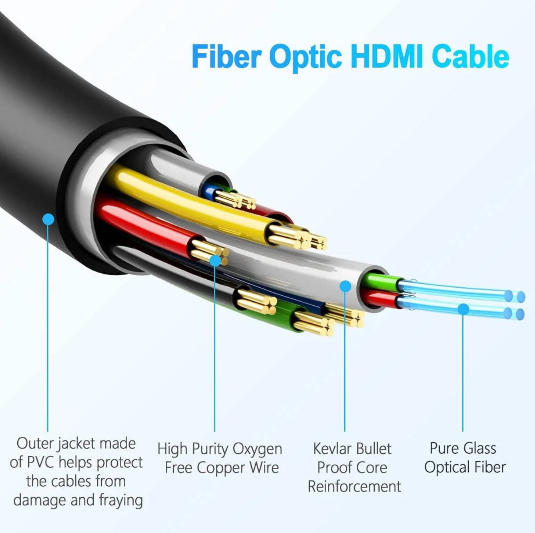
For long-distance transmission, hybrid optical HDMI cables are the most reliable solution. These cables combine four optical fibers with seven to nine copper conductors, each serving a specific function: one for power delivery, one for Consumer Electronics Control (CEC), two for Audio Return Channel (ARC/eARC), and the remaining conductors for Display Data Channel (DDC) signaling.
Data transmission is handled via the four OM3 optical fibers, which are typically made from glass fiber. Glass fibers exhibit extremely low attenuation, ensuring that signal loss over long distances is negligible. Because the data is transmitted optically, there is no electrical current flow along the fibers, making the cable highly immune to electromagnetic interference (EMI). This results in stable, lossless performance even over extended runs, which is critical for professional AV, large-scale installations, or environments with significant electrical noise.
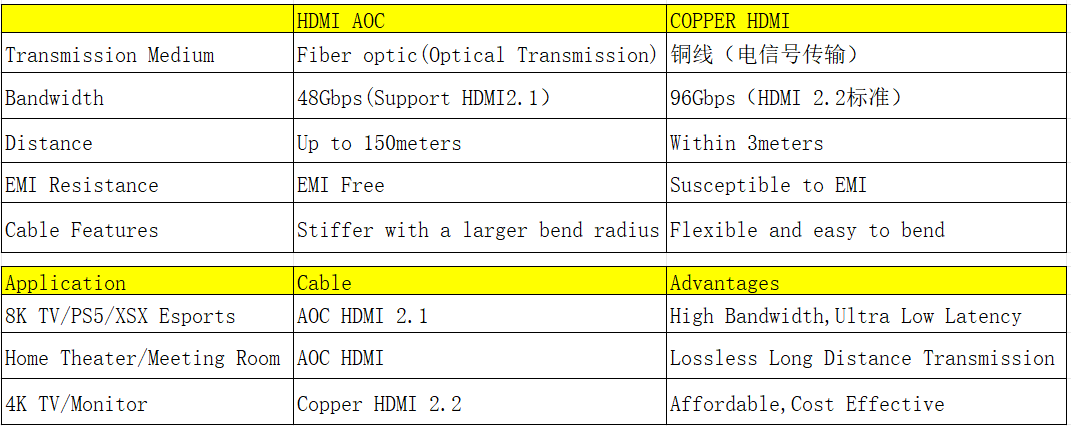
So, you now know that Active Optical Cables (AOC) are the definitive solution for long-run 8K. The data doesn't lie: zero attenuation and zero EMI.
But as an AV Integrator, you also know the real killer isn't spec sheets; it's reliability. What good is 48Gbps if the cable fails after it’s been pulled through 100 meters conduit?
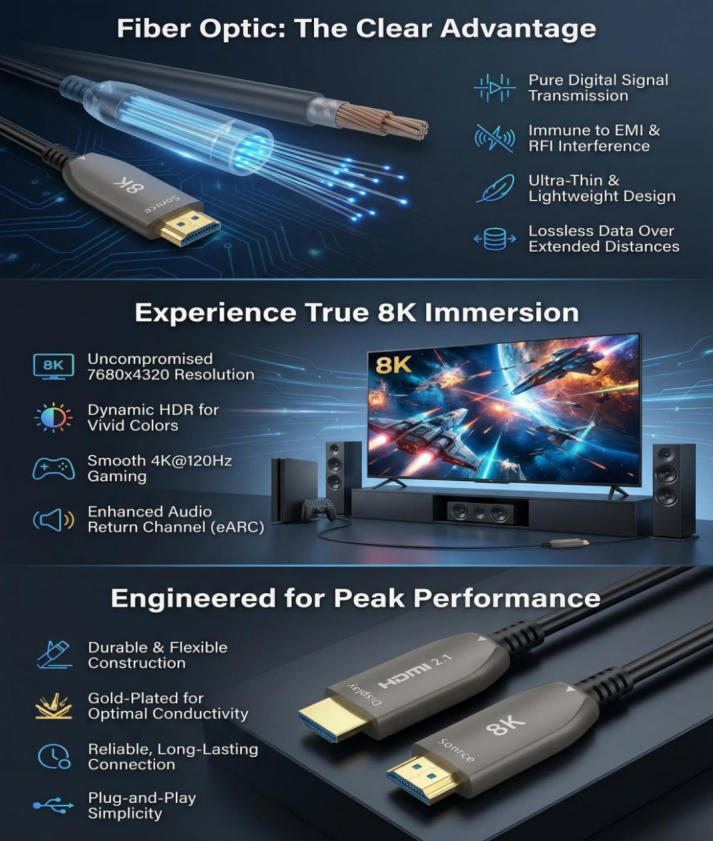
This is why 8KHDMIAOC matters to your bottom line.
We don’t just manufacture fibers; we engineer the E-O-E connectors—the most vulnerable failure point in any AOC. Our proprietary housing design ensures superior heat dissipation and connection stability, eliminating the random "black screens" that plague inferior AOC lines.
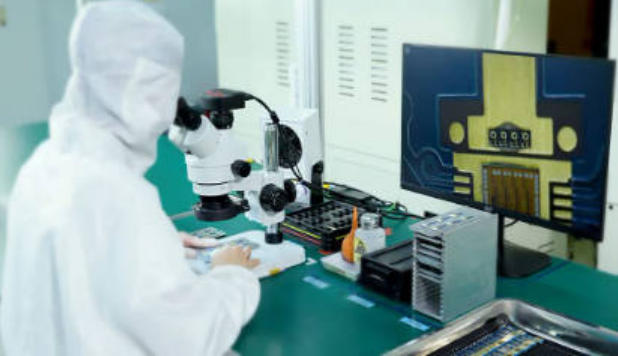
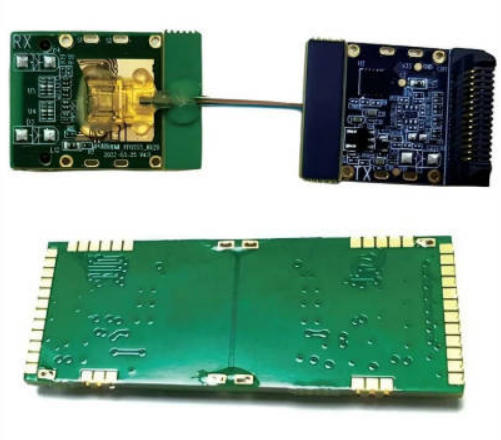
With 8KHDMIAOC, you’re not just buying a cable; you're buying the insurance that your installation runs flawlessly from Day 1 to Year 5. Reduce your truck rolls, maximize your profits.
Copyright © Shenzhen Fiberlink Tech Co., Ltd. All Rights Reserved. Trusted Partners:https://www.aocfiberlink.com/